The BART Foundation aims to promote better outcomes for brain injury survivors by answering three questions: Which alternative therapies are likely to work, where can they be found, and how can they be afforded? One way we fulfill our mission is by closely monitoring global research and clinical trial outcomes and sharing that information in user-friendly language with the TBI/ABI community. While transcranial magnetic stimulation (TMS) is not one of the therapies that we currently endorse, it is on our “watch list” of potentially emerging treatments. This new FDA clearance makes it even more worthy of monitoring.
This article originally appeared in Vital Record: News from Texas A&M Health in August 2026. Please visit their website for the complete article. An overview of the article is provided below.
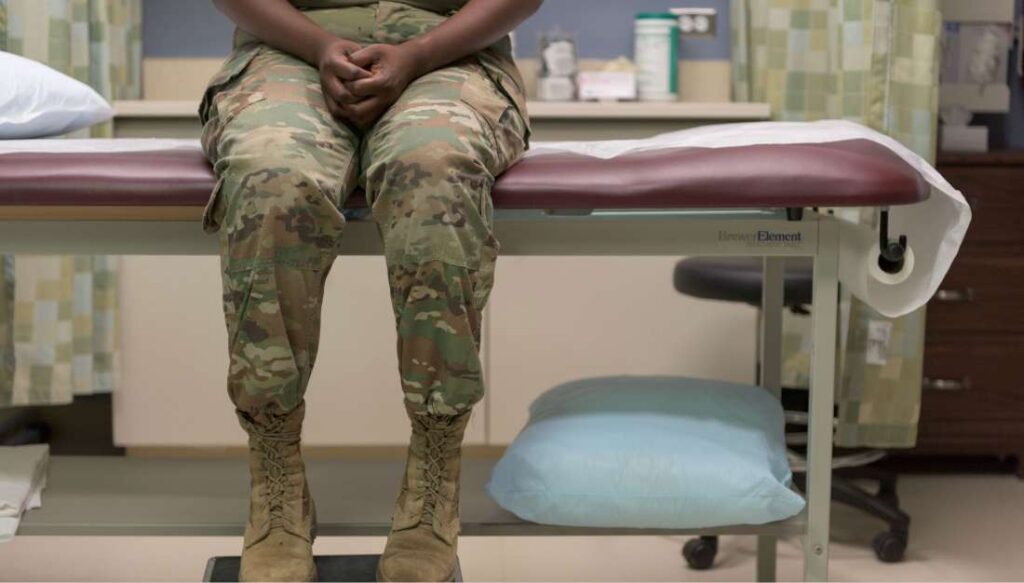
New technology developed by Wave Neuroscience, a California-based company, in collaboration with the research team of Kenneth S. Ramos, MD, PhD, with the Texas A&M Health Institute of Biosciences and Technology, has recently received FDA clearance for a system that maps and treats the specific parts of the brain impacted by PTSD. While the results are being processed for public dissemination, the findings have demonstrated promising results to revolutionize PTSD treatment options.
PTSD is a mental health condition that can develop after exposure to an event beyond average stressors, like combat, accidents, natural disasters, or other forms of violence. About 6% of people will develop PTSD symptoms in their lifetimes, with women and veterans experiencing much higher rates.
The treatment uses Magnetic e-Resonance Therapy (MeRT), a technology created by Wave Neuroscience that combines an electroencephalogram (EEG) with transcranial magnetic stimulation. The EEG records the brain’s electrical activity, while TMS—already used to treat other mental health conditions—uses magnetic pulses through a coil placed on the scalp.
The MeRT clinical trial involved five sessions per week over five to six weeks. The beneficial effects appear to be long-lasting beyond the termination of treatment. The technology could eventually have applications beyond PTSD, including depression, anxiety, and other conditions.
For Israel Liberzon, MD, distinguished professor in psychiatry and behavioral sciences at the Texas A&M Naresh K. Vashisht College of Medicine, the clearance represents an important addition to the PTSD treatment landscape as it is the only non-medication treatment option for PTSD cleared by the FDA.
“Right now, the FDA has approved only two medications for PTSD,” Liberzon said. “It doesn’t mean that only two of them are used, but both are SSRIs. This is the first time that in addition to the medication, we have a non-medication option. There is psychotherapy that people use for PTSD, but psychotherapies require a lot of effort. People must participate actively, and many drop out because it’s too anxiety provoking. So now we have a unique alternative.”
Guidestar Seal of Transparency