Craniosacral therapy (CST) is one of the safe, alternative therapies the BART Foundation believes may help brain injury survivors. The BART Foundation aims to promote better outcomes for TBI/ABI survivors by answering three questions: Which alternative therapies are likely to work, where can they be found, and how can they be afforded? One way we fulfill our mission is by carefully watching global research and clinical trial outcomes and sharing that information in user-friendly language with the TBI/ABI community.
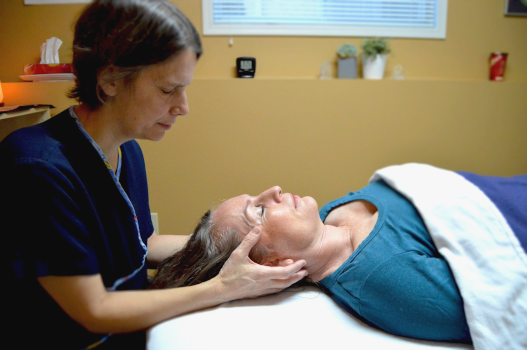
This article, published in the research journal Medical Acupuncture, describes the effects of CranioSacral Therapy (CST), Visceral Manipulation (VM), and Neural Manipulation (NM) modalities in treating patients who have post-concussion syndrome. The goal of this study was to evaluate these modalities for their effects on immobility, pain intensity, quality of life, sleep disorders, and cognition.
Many victims of concussion injuries report signs and symptoms years after the incident(s). In this study, a team of physical therapists, osteopaths, and allied health professionals discovered that specific manual therapy techniques applied to patients with post-concussive syndrome provided significant results for future concussion recovery. The patients in this study were retired professional football players from both the National Football League (NFL) and the Canadian Football League who were medically diagnosed with post-concussion syndrome. These initial outcomes were inspiring and showed real promise for viable treatment options for traumatic brain injury (TBI), concussion, and the secondary compensatory dysfunctions that occur in the days following TBI.
In this intensive therapy program, each participant received treatment with specific CST/VM/NM techniques twice daily for 5 days. Each participant received an initial evaluation on the morning of day 1, a post-evaluation in the afternoon of day 5, and a follow-up evaluation at 3 months. The participants were eleven retired professional male football players. Their ages ranged from the mid-20s to the mid-70s.
The intervention consisted of these manual therapy techniques given by certified, licensed, and experienced therapists at the Uplander Institute. Each session was individually based on the participant’s baseline test results, therapists could choose to administer just one or two of the three possible treatments. There was also the potential for more than 1 therapist to treat a patient in the same session. The therapy sessions took an average of 90–120 minutes each. The program began each morning with a group discussion with all participants and therapists. The program ended each evening with a meeting among the therapists to discuss progress and treatment strategies.
Although there was a standard measurement in this study, it was patient-centered, given that no two concussions are the same, even for a single athlete. The comparisons showed a statistically significant decrease in the participants’ overall pain scores. The participants’ cervicogenic pain levels decreased. The memory scores improved, as well as the neurocognitive average reaction time scores. At follow-up, the number of hours slept per night as well as general health, bodily pain, energy, emotional well-being, and social functioning, significantly increased.
To learn more about CST, watch our 4-minute video interview with Duffy Violante, LMT.
Guidestar Seal of Transparency