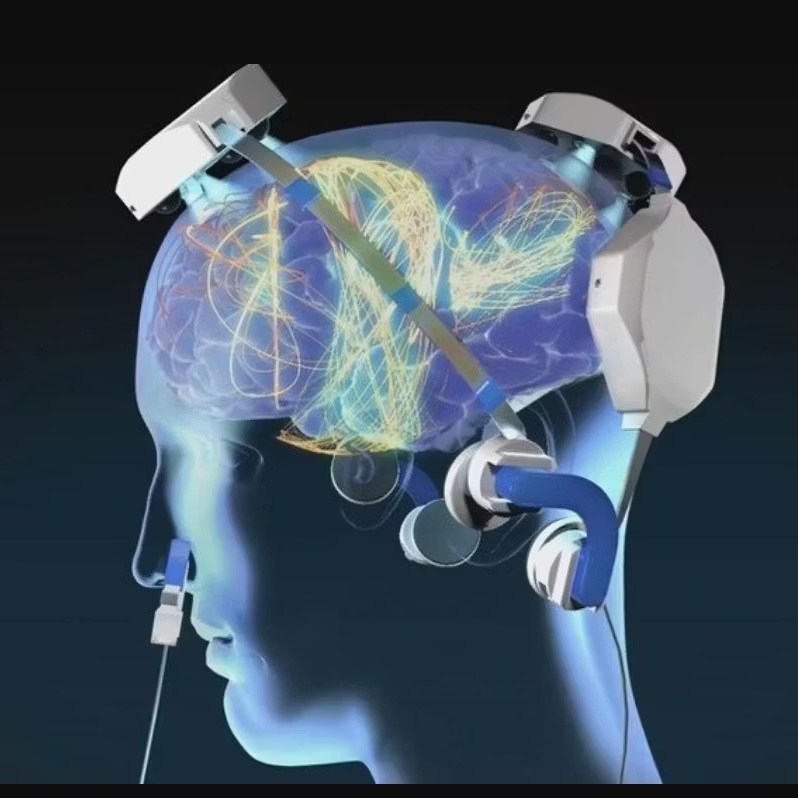
Transcranial LED light therapy, sometimes called photobiomodulation, is one of the safe alternative therapies the BART Foundation believes may help brain injury survivors. Like Hyperbaric Oxygen Therapy (HBOT), there are already some FDA-approved applications, but these do not include TBI/ABI. The BART Foundation aims to promote better outcomes for TBI/ABI survivors by answering three questions: which alternative therapies are likely to work, where they can be found, and how they can be afforded. One of the ways we fulfill our mission is by carefully watching global research and clinical trial outcomes and sharing that information, in user-friendly language, with the TBI/ABI community.
Because of our mission, we want to share with you a recent research article published in October of 2024 in Bioengineering and Translational Medicine that investigates photobiomodulation (PBM) as a potential treatment for mild traumatic brain injury, a common form of head injury.
The researchers first conducted cadaveric studies to calibrate 660 nm and 810 nm lasers for delivering PBM through the skin to the brain’s cortical surface. They then used a rat model of mTBI, administering daily doses of 660 nm, 810 nm, or a combined 660/810 nm PBM treatment, and assessed recovery through cognitive and balance tests as well as brain tissue analysis.
The study builds on prior evidence that PBM can reduce cell death in brain tissue and takes it a step further by testing optimized, non-invasive light-delivery parameters in a living animal model, suggesting PBM could be a promising, non-pharmacological avenue for promoting recovery after mild brain injury.
If you’d like to learn more about this promising treatment, visit our YouTube channel to watch our 2025 webinar with Dr. Marvin Berman titled “Healing with Light: The principle drivers behind photobiomodulation’s therapeutic effectiveness.”
Guidestar Seal of Transparency